5-star rated on Google
Hospital and Medical Site Surfacing
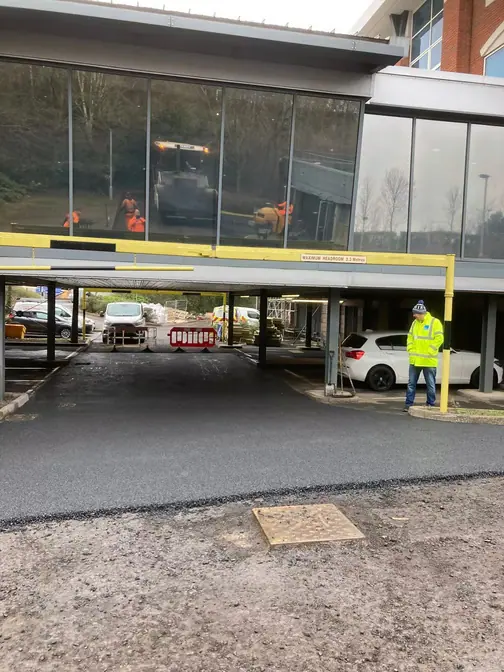
Car parks, ambulance routes and footpaths resurfaced in phases, with emergency access kept open.
Get Your Quote
Fill out the form below, and our specialists will get back to you swiftly.
 SafeContractorApproved, Gold status
- £10 millionPublic liability
- DBSChecked team
Hospitals
Surfacing for Hospitals and Medical Facilities
Hospitals, health centres and care sites never close, and their surfaces carry a mix of traffic few other sites see: ambulances, patient transport, delivery lorries, staff cars, and visitors who may be frail, using a wheelchair or unfamiliar with the site. Uneven paths and faded markings affect every one of them.
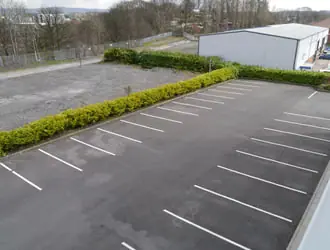
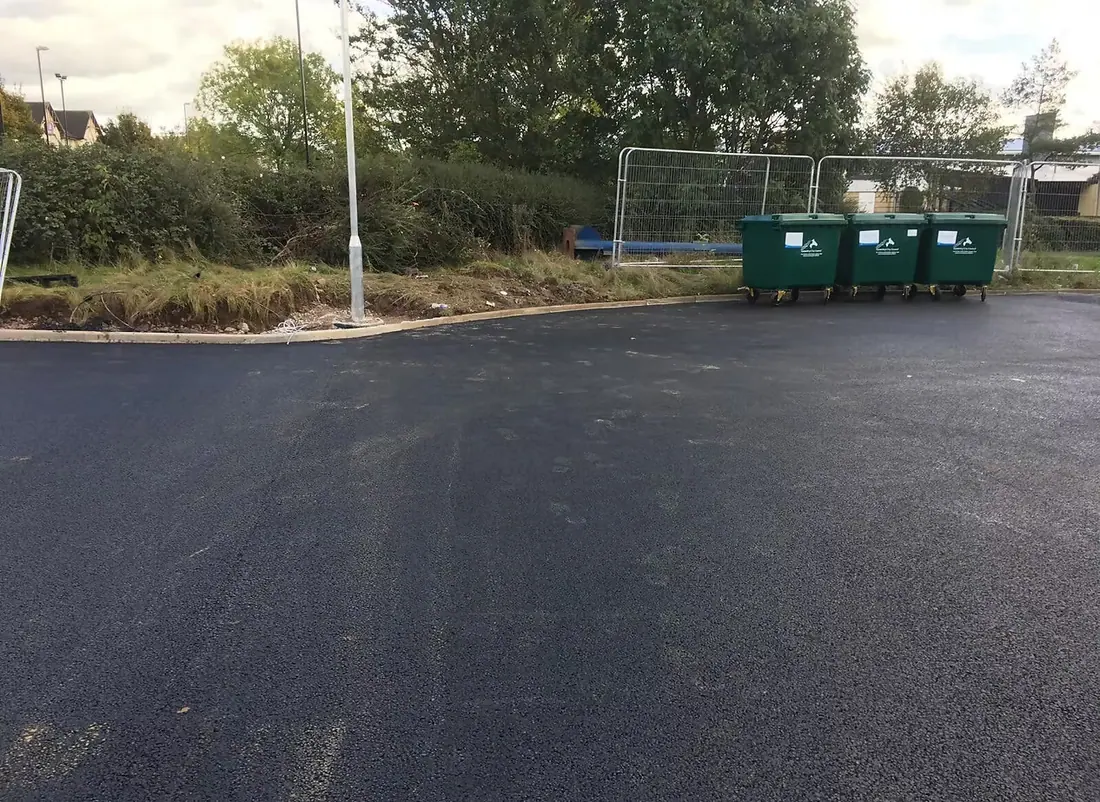
SN Enterprises Ltd resurfaces and repairs car parks, access roads, ambulance routes and footpaths at hospitals and medical facilities across the Midlands. The work covers the surface itself, the drainage that stops puddles forming at entrances, dropped kerbs for wheelchair users, and the lining that guides drivers to the right place.
Emergency access is treated as fixed. Phasing is planned with your estates team so ambulance routes and emergency department approaches stay open throughout, with clearly signed diversions for everyone else. Where daytime work would cause too much disruption, evening or overnight working can be arranged.
20+
years of surfacing experience
What's included
What we surface on medical sites
- Patient, visitor and staff car parks
- Ambulance routes and drop-off bays
- Access roads and service yards
- Footpaths and routes between buildings
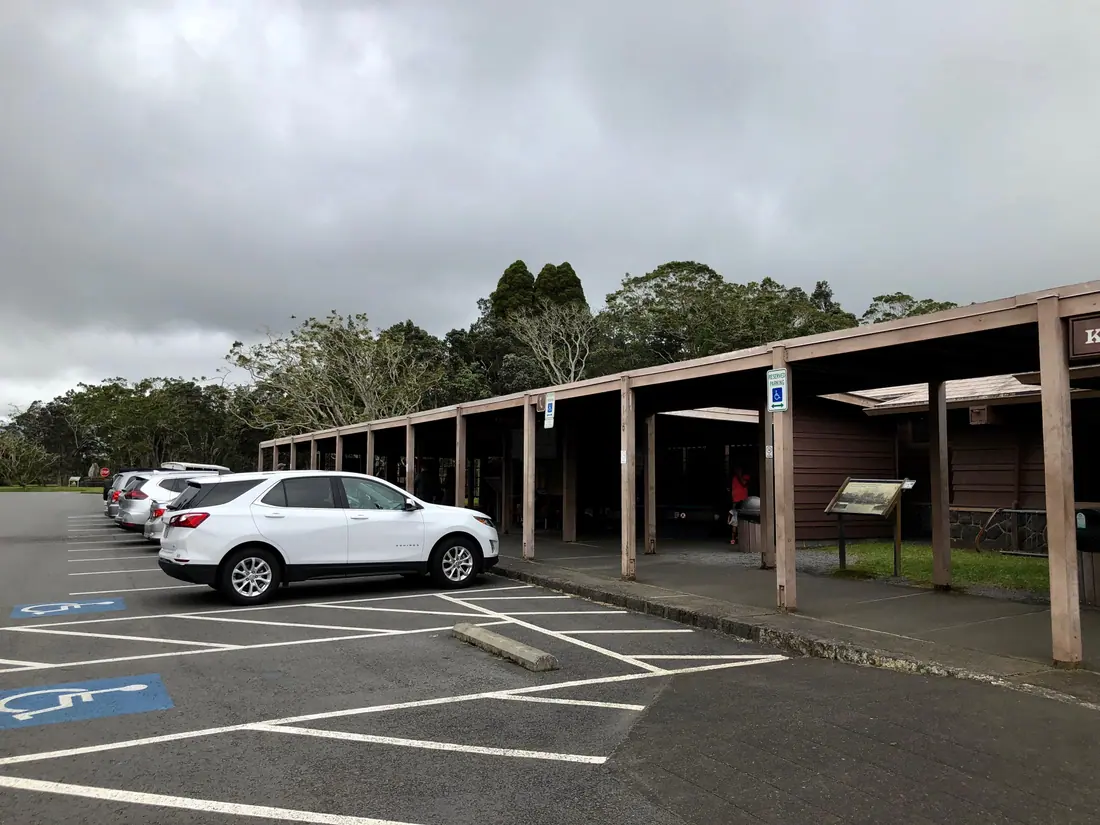
- Accessible bays near entrances
- Dropped kerbs and level crossing points
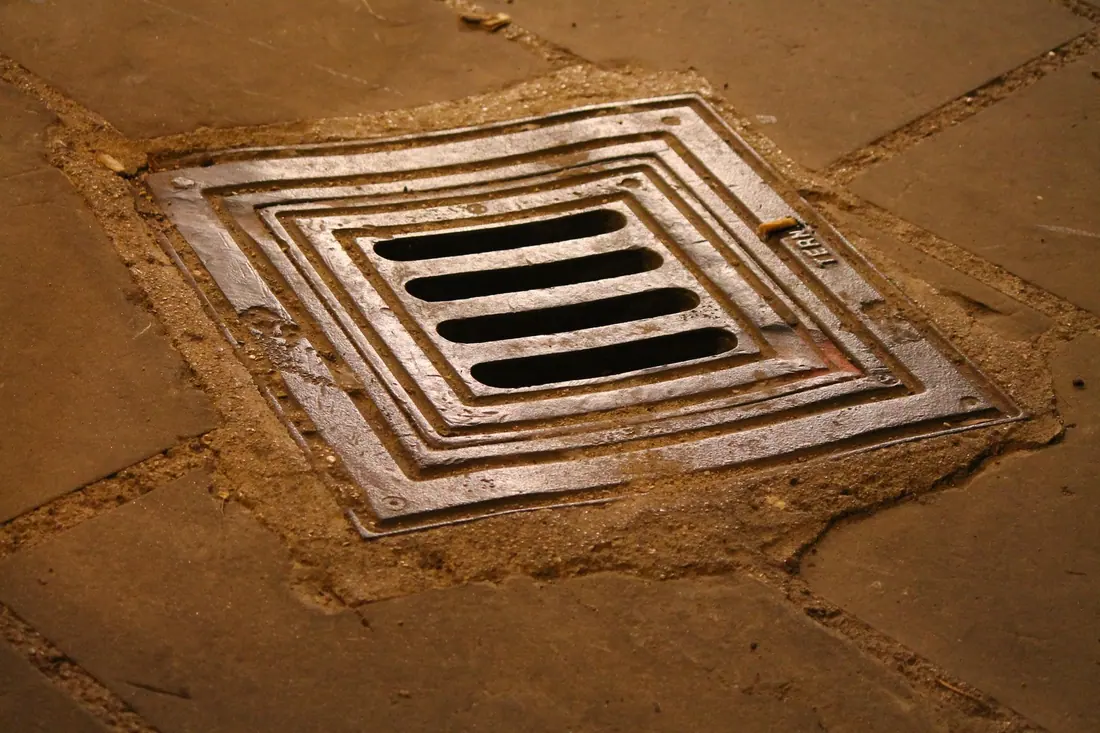
- Surface water drainage at entrances
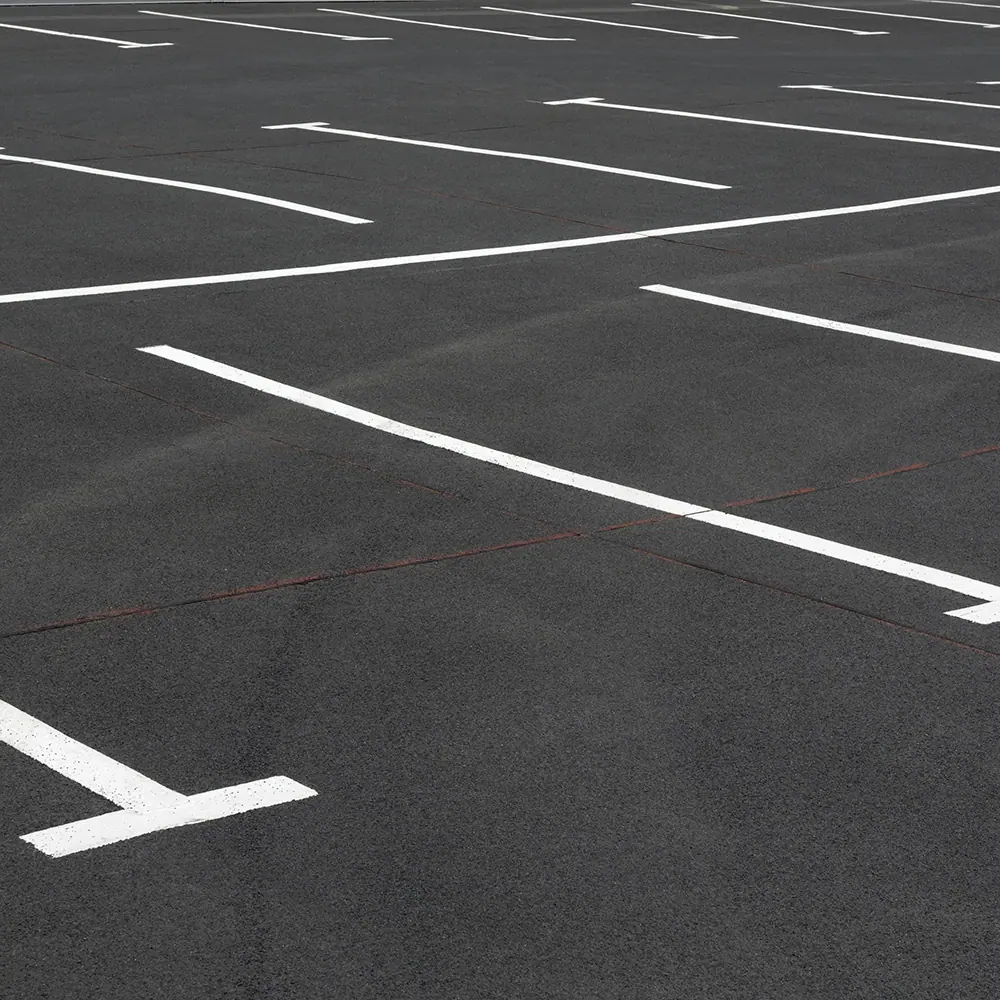
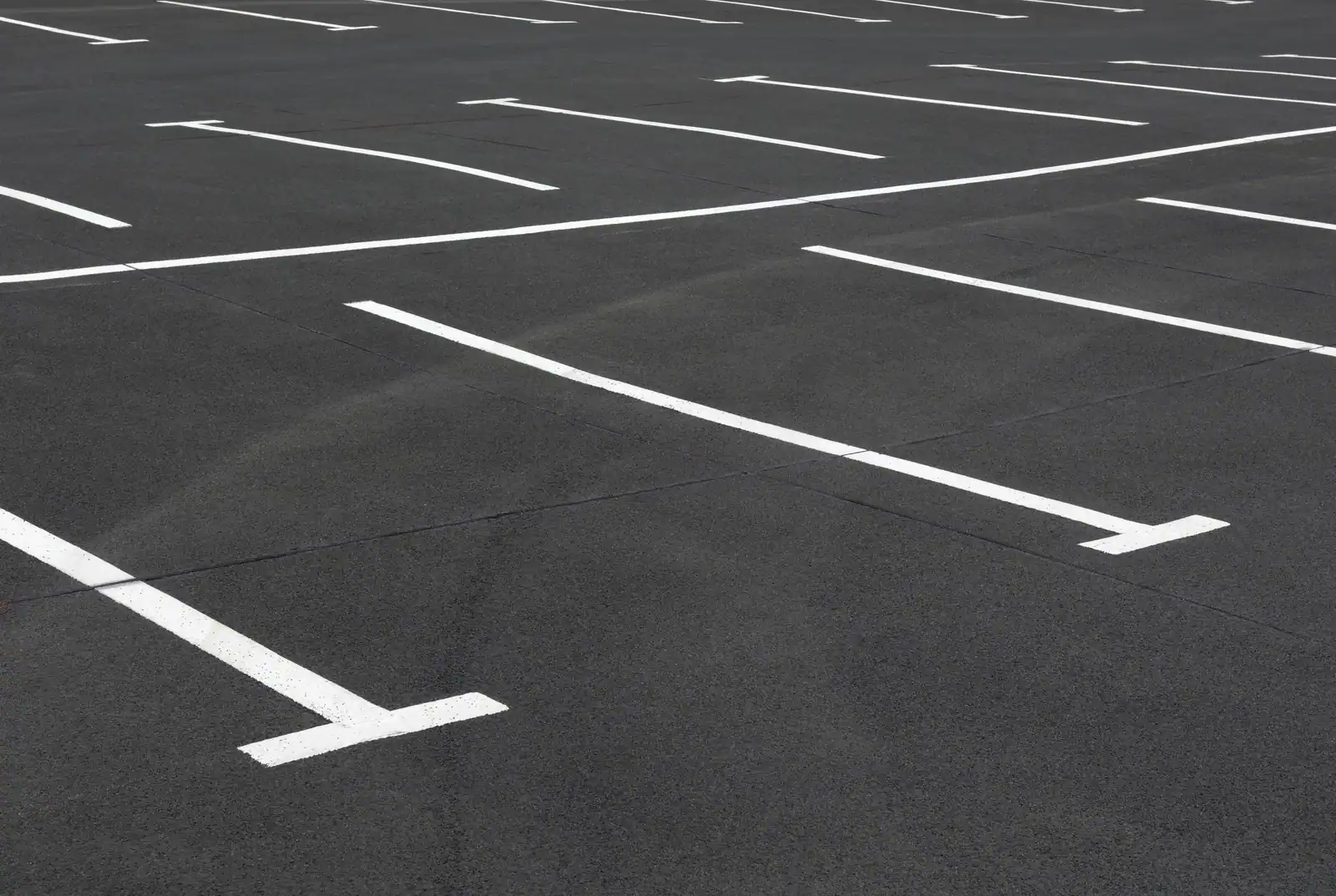
- Directional arrows, keep-clear and bay markings
Our work
Explore our hospitals work
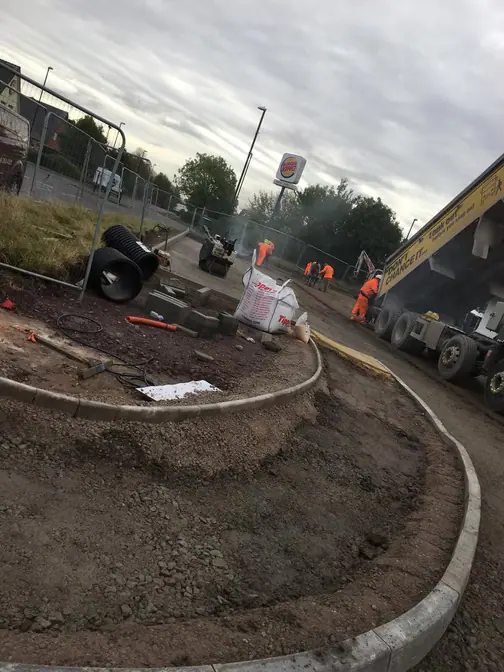
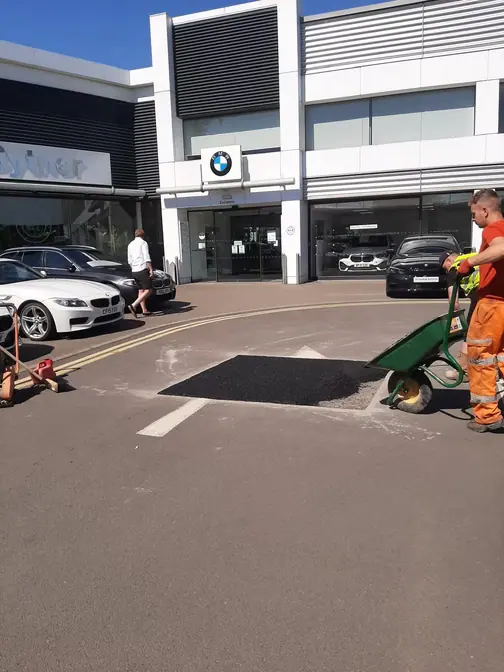
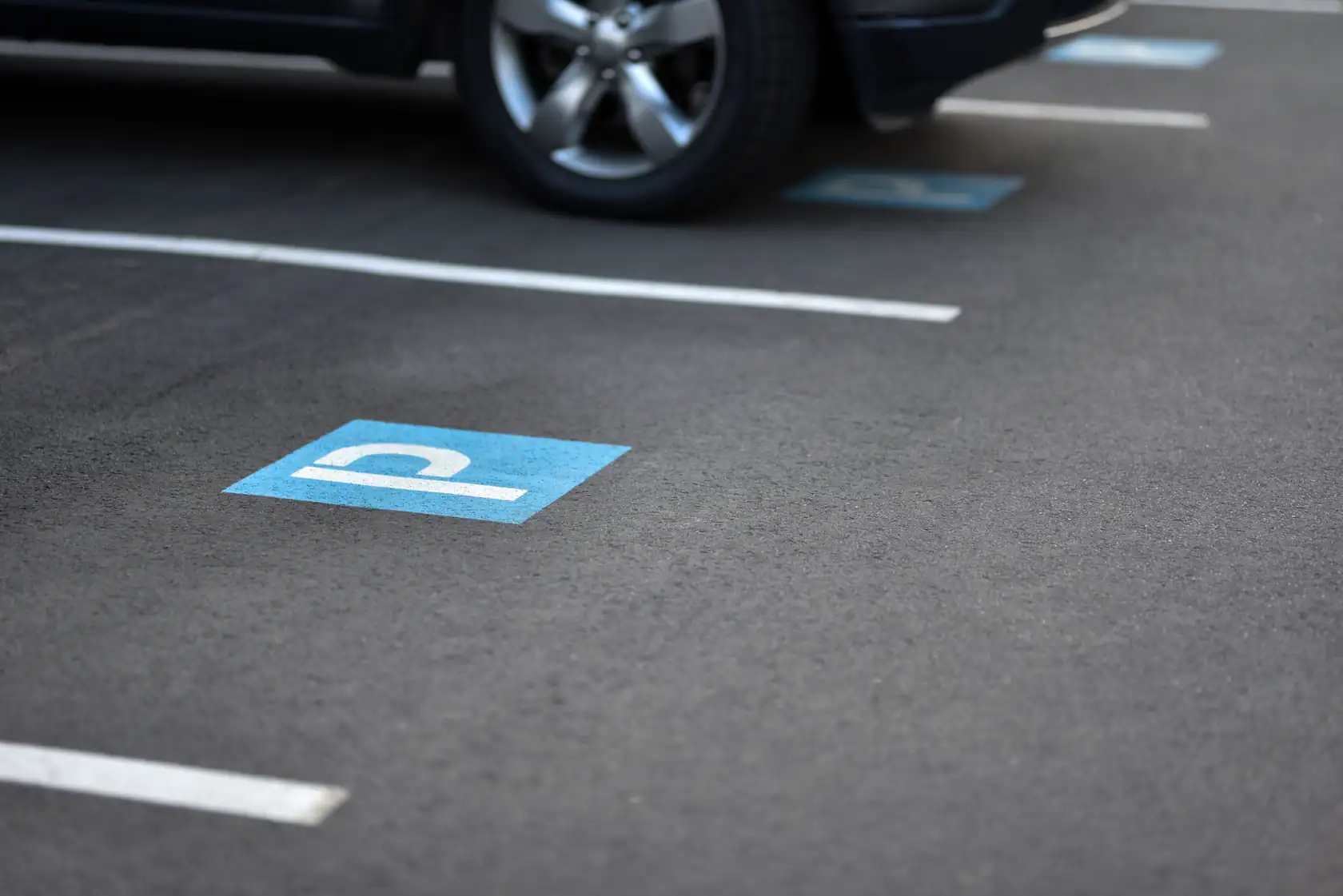
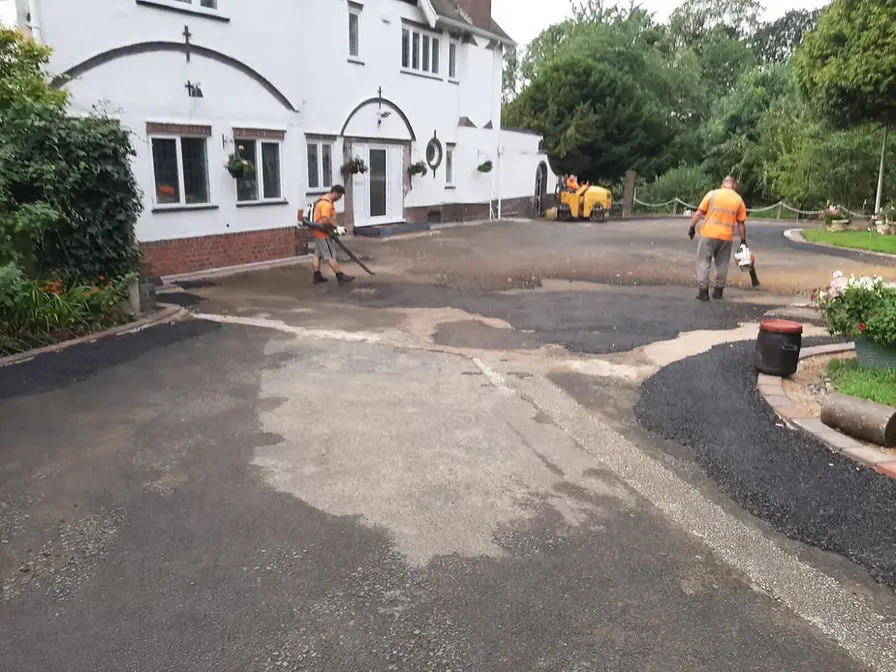
Photos from our own jobs. Tap any image to view it full size.
Why choose us
Why medical sites choose SN Enterprises
Emergency access protected
Phasing is built around ambulance routes and emergency entrances first, so the surfacing stays out of the way of patient care.
Accessible by design
Level footpaths, dropped kerbs and well-placed accessible bays help patients and visitors who use wheelchairs, walking aids or pushchairs.
Vetted and insured
A DBS-checked team, £10 million public liability insurance and SafeContractor Gold status help your procurement and estates checks go smoothly.
Fewer repeat closures
Surfaces are laid on thoroughly prepared ground, which means busy routes are not closed again a year later for patching.
Clean sites, guaranteed work
Tidy working areas matter where patients walk past, and all our work is guaranteed, backed by over 20 years in surfacing.
Ready for a free site survey?
Tell us about the site and we will arrange a visit, measure up and send a clear written quote.

How the job runs
Working safely on a live medical site
- 1
Step 01
Survey with estates
We survey the surfaces with your estates or facilities team, noting emergency routes, busy entrances and deliveries, then provide a written quote and outline phasing.
- 2
Step 02
Protected access plan
Each phase is mapped so emergency access stays open, with signed diversions for visitors and staff, and agreed with your team before any area closes.
- 3
Step 03
Phased surfacing
Areas are fenced, prepared and resurfaced one at a time, with out-of-hours shifts planned where a route cannot close during the day.
- 4
Step 04
Markings and reopening
Bays, arrows and keep-clear markings are laid, signs and barriers are removed, and each area is checked with you before it reopens to the public.
Trusted on site
We have worked on premises for
National commercial brands whose premises our team has worked on. Ask us about the standards we work to on busy, trading sites.



Pricing
What affects the cost of hospital surfacing
Medical sites are priced on the surface work plus the phasing needed to keep every critical route open.
Get a fixed written quote- 01
Number of phases
Keeping emergency routes and main entrances open can mean many small phases, each with its own set-up, fencing and signage.
- 02
Out-of-hours working
Evening, night or weekend shifts reduce disruption on routes that cannot close by day, and are priced separately so you can compare options.
- 03
Surface and base condition
Areas taking ambulances and deliveries may need deeper repairs than visitor bays, depending on what the survey finds beneath the surface.
- 04
Accessibility and lining
Adding dropped kerbs, extra accessible bays or a full relining of arrows and keep-clear markings changes the scope and therefore the price.
Areas we cover
Hospitals across the Midlands
From our base in Bedworth we work throughout the Midlands and take on projects nationwide.
- Birmingham
- Coventry
- Nuneaton
- Rugby
- Solihull
- Wolverhampton
- Walsall
- Dudley
- West Bromwich
- Halesowen
- Stourbridge
- Telford
- Tamworth
- Lichfield
- Cannock
- Hinckley
Reviews
What our customers say
Rated 5 stars on Google and Yell.com, with more reviews from our customers on MyBuilder.


FAQs
Hospital and medical site questions
How do you keep ambulance routes open?
Can you add more accessible bays?
Will the works be noisy for patients?
Do you work on smaller medical sites like GP surgeries?
Can you repair footpaths without closing them?
Can't find the answer you're looking for?
Get a Quick Quote
Get in touch with the team today. We reply quickly, and a site survey and written quote cost you nothing.
Ready to talk about your site? Call 0121 6738596
Free site survey and a written, itemised quote. No obligation.
Explore more